Morocco has long drawn musicians, filmmakers, writers, painters and designers. Its ancient medinas, deserts, souks and mountains, and its mix of Berber, Arab, African and European traditions, show in everything from ornate palaces and mosques to busy markets.
Music
Moroccan percussion and the Gnaoua tradition have a long reach. Essaouira hosts a Gnaoua and world music festival, and our Majestic Morocco journey visits the village of Khamlia near the Erg Chebbi dunes.
Film
Morocco's ruins, kasbahs and deserts have been the backdrop for films from historical epics to modern thrillers, including Gladiator and The Mummy. The ksar of Ait Ben Haddou and the studios at Ouarzazate are on the road between Marrakech and the Sahara. Directors value the setting: the light on the ochre-colored walls of the kasbahs and the rhythm of daily life in a souk.
Writers and painters
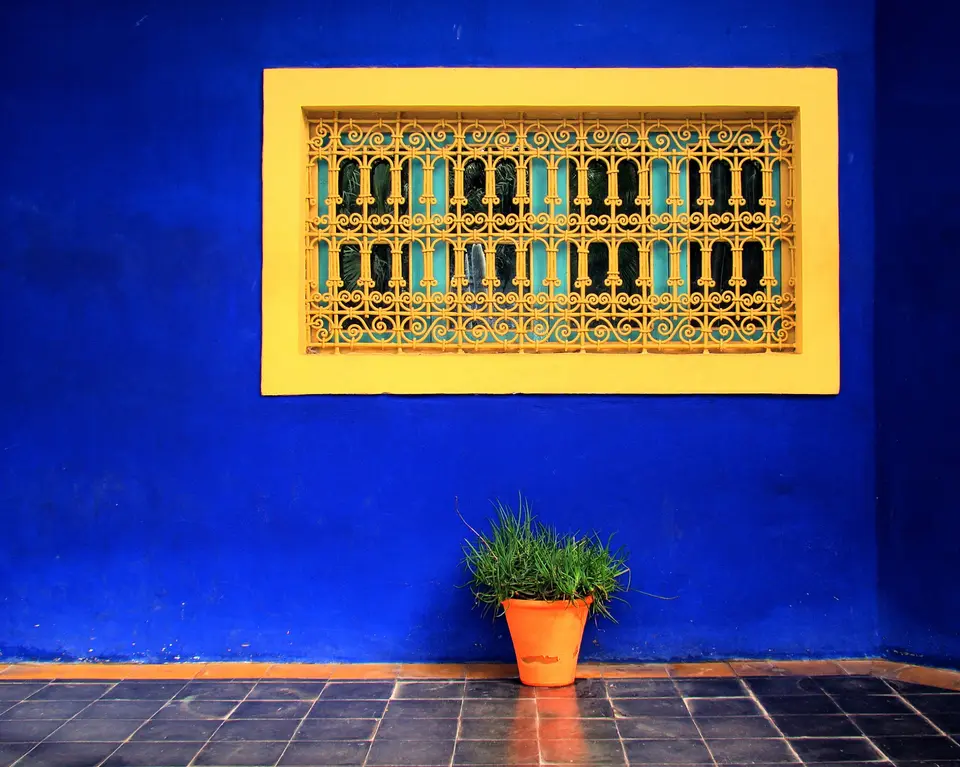
Morocco's landscapes, from stark deserts to lush oases, have been the setting for many literary works and paintings. American authors have often portrayed it as a place of spiritual transformation. Painters are drawn to its vivid colors and the interplay of sun, sand and sky.
Fashion and photography
Designers have long drawn on the patterns, textures and colors of Moroccan art and architecture, from embroidered textiles to flowing, desert-ready garments. Photographers, amateur and professional, find subjects in the golden glow of a desert sunrise and the busy life of a traditional marketplace.
How to see it yourself
- Explore the medinas of Marrakech and Fes on foot, through the narrow alleys and souks.
- Spend a night in a traditional Berber camp in the Sahara, under a star-filled sky.
- Stay in a traditional riad, with its serene courtyard and intricate design.
- Check local listings for festivals and cultural events, such as a music festival in Essaouira or a local art fair in Fes.
- Talk with local artisans, chefs and residents.
- Bring a camera or a journal.
Food belongs on the list too: a slow-cooked tagine, or a pot of mint tea in a sunlit courtyard.